The History of Rotary
More than a century of friendship, service, and global impact.

It started with one man’s vision—and a desire for friendship. On February 23, 1905, Chicago attorney Paul Harris brought together professionals from different backgrounds to exchange ideas, build lasting relationships, and create a sense of community in a growing city.
That first gathering became the Rotary Club of Chicago. The name “Rotary” came from the members’ early practice of rotating meetings among their offices. What began as a small circle of acquaintances soon developed a larger purpose: putting their talents, relationships, and resources to work for others.
From those beginnings, Rotary grew into a worldwide network united by friendship and service. Across generations and borders, members have worked together to strengthen communities, support education, provide clean water, fight disease, and build peace.
Harris’s belief that people could accomplish more together continues to shape Rotary’s work today—including right here in Fort Worth.
“Whatever Rotary may mean to us, to the world it will be known by the results it achieves.”
Paul Harris
Rotary's founder
Learn how Rotary has grown into a worldwide movement at the Rotary International webpage.
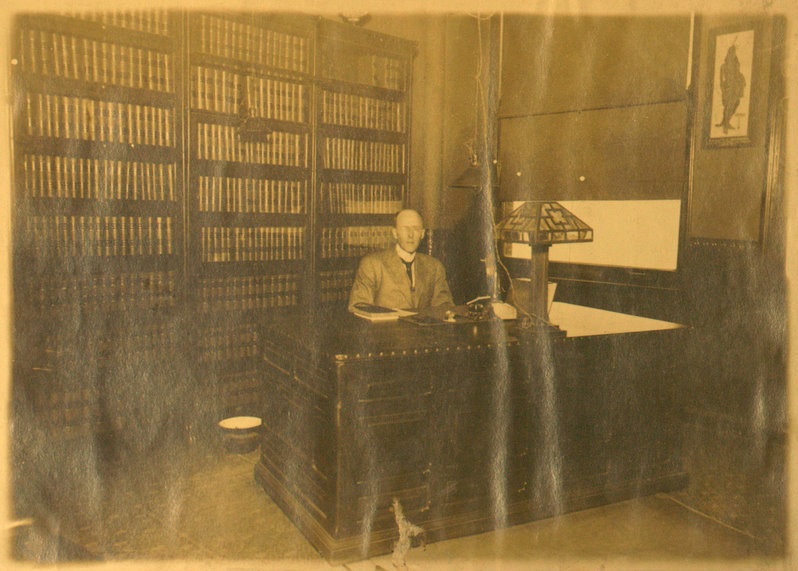
Paul Harris at work
Rotary’s founder in his private law office in Chicago, 1909.
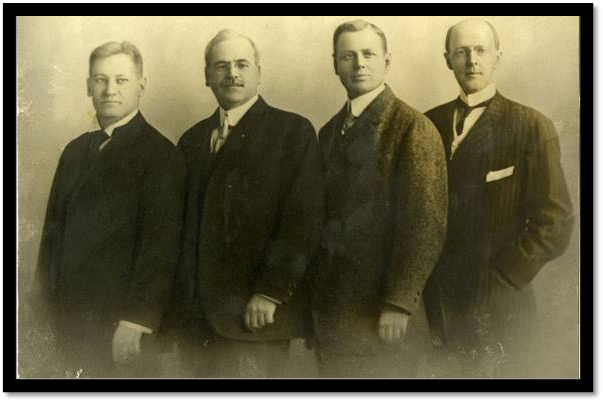
The first four Rotarians
Gustavus Loehr, Silvester Schiele, Hiram Shorey, and Paul P. Harris, photographed in Chicago between 1905 and 1912.
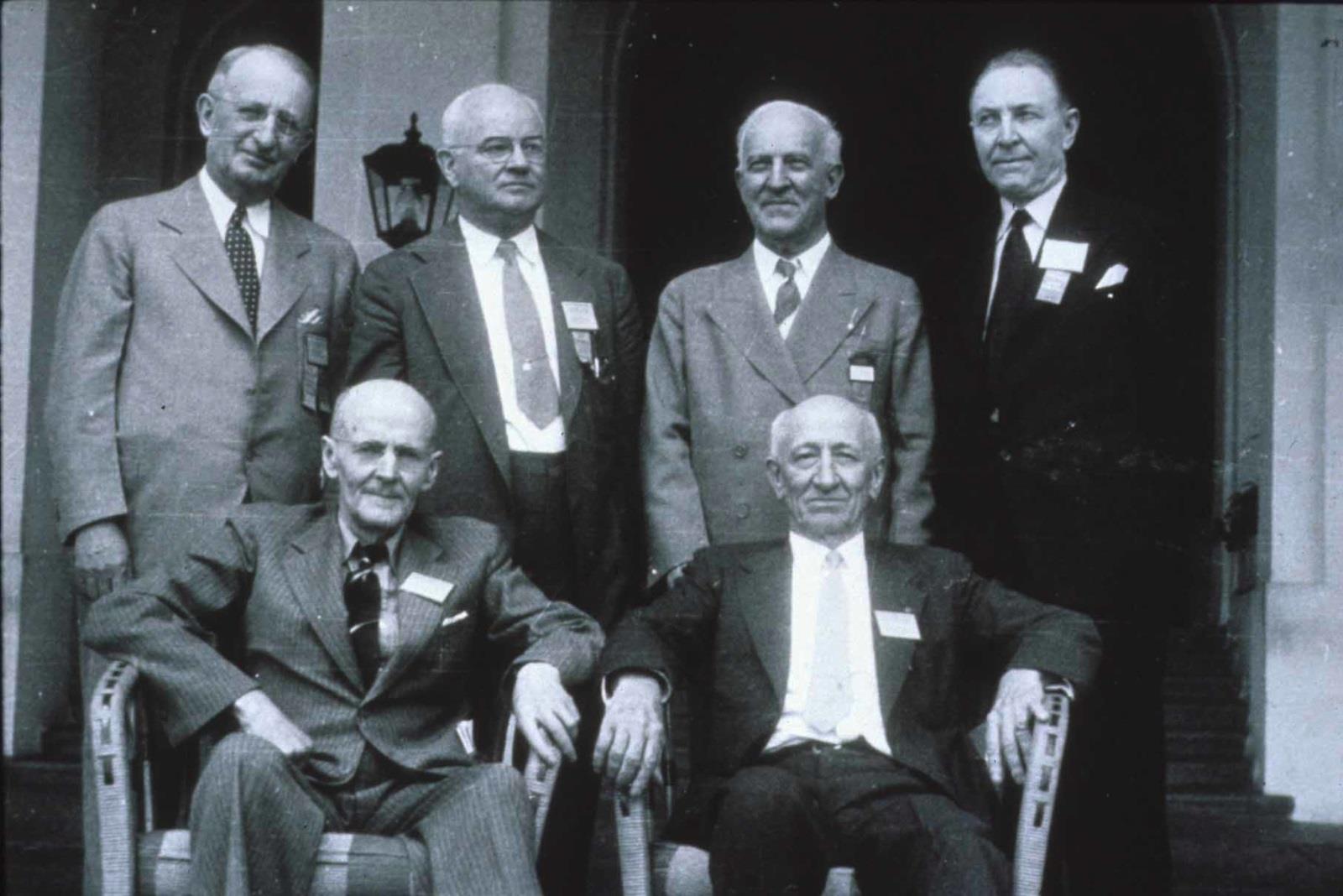
Rotary’s early leaders
The first six presidents of Rotary International at the 1939 convention in Cleveland, Ohio.
A Lasting Commitment To Service
Three qualities have shaped Rotary throughout its history—and continue to guide its work today.
A global community. Within 16 years of its founding, Rotary had clubs on six continents. Members across the world bring different perspectives to shared challenges.
Resilience through difficult times. During World War II, clubs in Austria, Germany, Italy, Japan, and Spain were forced to disband. Many members continued meeting informally. After the war, they helped rebuild their clubs and communities.
The ambition to make a difference. Rotary’s fight against polio began in 1979 with a project to immunize six million children in the Philippines. That commitment became a global effort to protect children and end the disease.
$26.50
The first contribution to The Rotary Foundation, in 1917.
$500
The Foundation’s first grant, awarded in 1930 to the International Society for Crippled Children.